
Pulling into a gas station could soon look very different. Instead of being greeted by a human attendant, drivers may find a humanoid robot ready to open the fuel cap, operate the pump, and complete the entire refueling process.
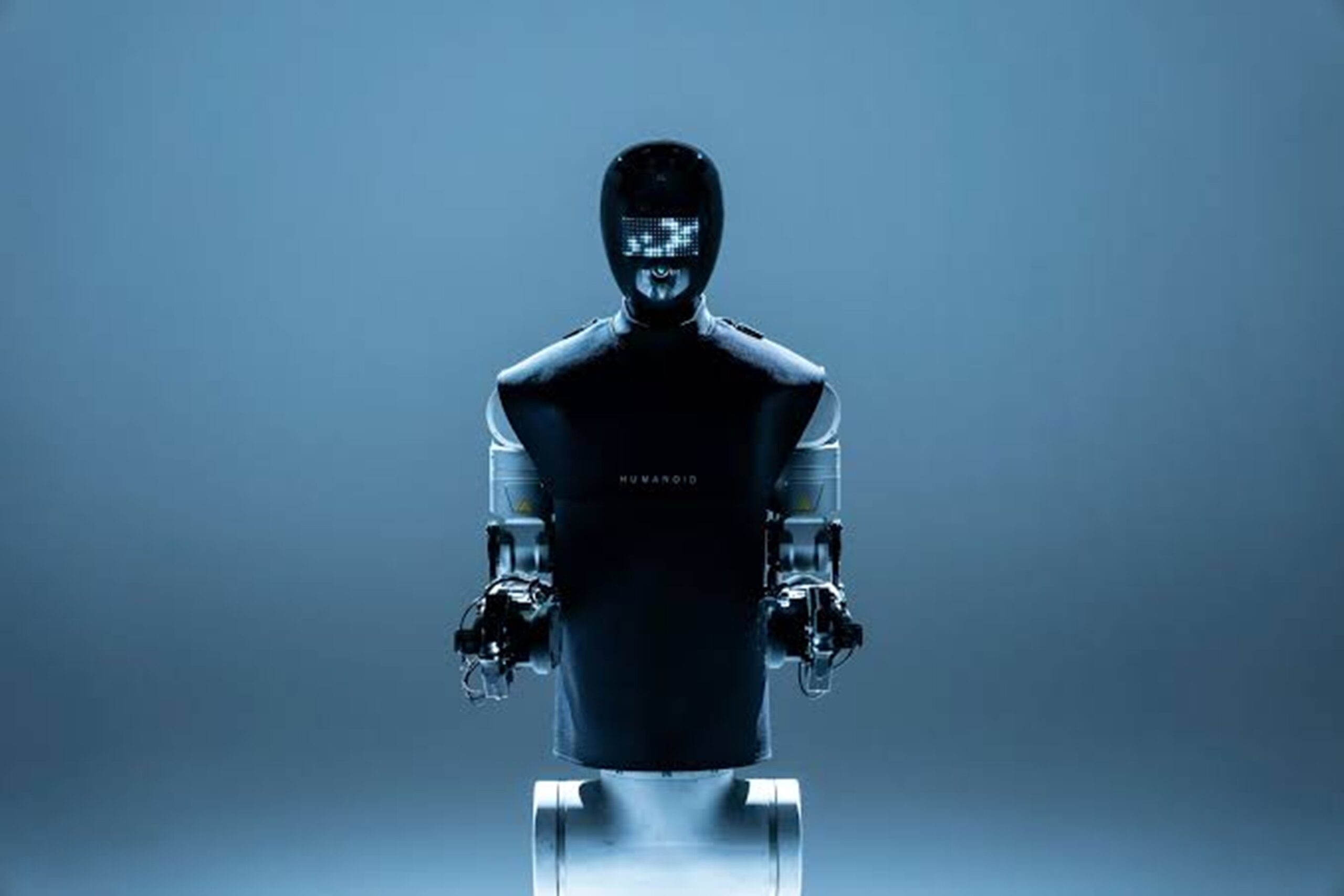
China is reportedly testing Lanyue 01, a humanoid robot designed to perform gas station tasks with minimal human involvement. Drivers can place an order and make a payment through their phones, while the robot handles the physical work required to refuel the vehicle.
It sounds like a scene from a science-fiction movie. But trial footage suggests this type of autonomous service is already moving closer to the real world.
Meet Lanyue 01
Lanyue 01 is presented as a humanoid service robot built specifically for autonomous vehicle refueling.
Unlike conventional automated fuel dispensers, which still require drivers or attendants to handle the nozzle, the robot is designed to complete the physical steps itself. It can move around the station, approach a vehicle, locate and open its fuel cap, pick up the correct nozzle, and begin refueling.
Once the requested amount has been delivered, the robot can return the nozzle and close the fuel cap.
The process is reportedly connected to a mobile ordering system. Drivers select the fuel type, confirm how much they want, and complete the payment from their phones. Lanyue 01 then receives the task and carries it out at the pump. This combination of digital ordering and robotic operation could reduce the need for drivers to leave their vehicles.
Powered by Embodied AI
The robot reportedly uses an embodied AI system, which enables artificial intelligence to interact with and respond to the physical world. Traditional AI systems mainly process digital information. Embodied AI must also understand objects, movement, distance, and changing environmental conditions.
For Lanyue 01, that means recognizing different vehicle designs, locating fuel caps, manipulating equipment, and navigating safely around cars and people. Refueling is more complicated than simply picking up a nozzle.
The robot must position itself precisely, apply the correct amount of force, avoid damaging the vehicle, and respond when the environment does not match the expected setup. Different cars may place their fuel caps at different heights and positions, creating a significant manipulation challenge.
Successfully completing those steps would demonstrate how humanoid robots can move beyond controlled laboratory demonstrations and perform practical service work.
Read also: ByteDance’s Seedance AI Just Got a Major Upgrade, Now It Can Generate 4K Videos
Designed for Demanding Conditions
Gas stations can expose workers and equipment to heat, cold, rain, fuel vapors, and long operating hours.
Lanyue 01 is reportedly being developed to continue working in these demanding conditions and potentially support multiple fueling stations around the clock. Because the robot is mobile, it may offer greater flexibility than automated equipment permanently installed beside one pump.
For station operators, this could create opportunities to automate overnight shifts, serve customers during labor shortages, and provide more consistent service across several pumps.
However, operating safely around combustible fuel also raises important questions. Any commercial deployment would require reliable sensors, emergency-stop systems, equipment certifications, and clear procedures for handling unexpected situations. Human supervision may still be necessary, particularly during early trials.
As robotics researchers continue to point out, real-world humanoid deployment remains difficult because robots must reliably perform seemingly small physical tasks across unpredictable conditions. Quanta Magazine notes that dexterous manipulation and consistent real-world performance remain major challenges for the industry.
More Than a Gas Station Robot
The technology behind Lanyue 01 may eventually extend beyond vehicle refueling.
A mobile robot capable of navigating complex spaces, operating human-designed equipment, and working in hazardous environments could support industrial inspections, equipment maintenance, emergency response, and disaster recovery.
Humanoid designs are especially attractive because much of the physical world has already been built around the human body. Tools, doors, control panels, and workstations are generally designed for human hands and movement. A capable humanoid robot could therefore enter existing workplaces without requiring companies to redesign the entire environment.
Read also: Meet Gemini Spark: Google’s AI Agent That Wants to Work So You Don’t Have To
The Bigger Picture
Lanyue 01 reflects the growing effort to move AI out of screens and into physical workplaces. The most significant development is not simply that a robot can hold a fuel nozzle. It is the combination of perception, navigation, decision-making, and physical manipulation required to complete an entire task autonomously.
Whether Lanyue 01 reaches large-scale commercial deployment remains uncertain. But the trial offers another glimpse of how humanoid robots could gradually become part of everyday infrastructure.
The robotic worker imagined in science-fiction movies may not be arriving in a distant future. It may already be waiting at the next gas station.