

When people talk about artificial intelligence, they usually focus on the models.
ChatGPT. Gemini. Claude. The latest image generators. The newest AI agents.
But behind every AI breakthrough is something most people never see: massive data centers packed with thousands of high-performance chips running around the clock.
And keeping all that hardware cool has quietly become one of the biggest engineering challenges of the AI era.
Now, NVIDIA believes it has a better solution.
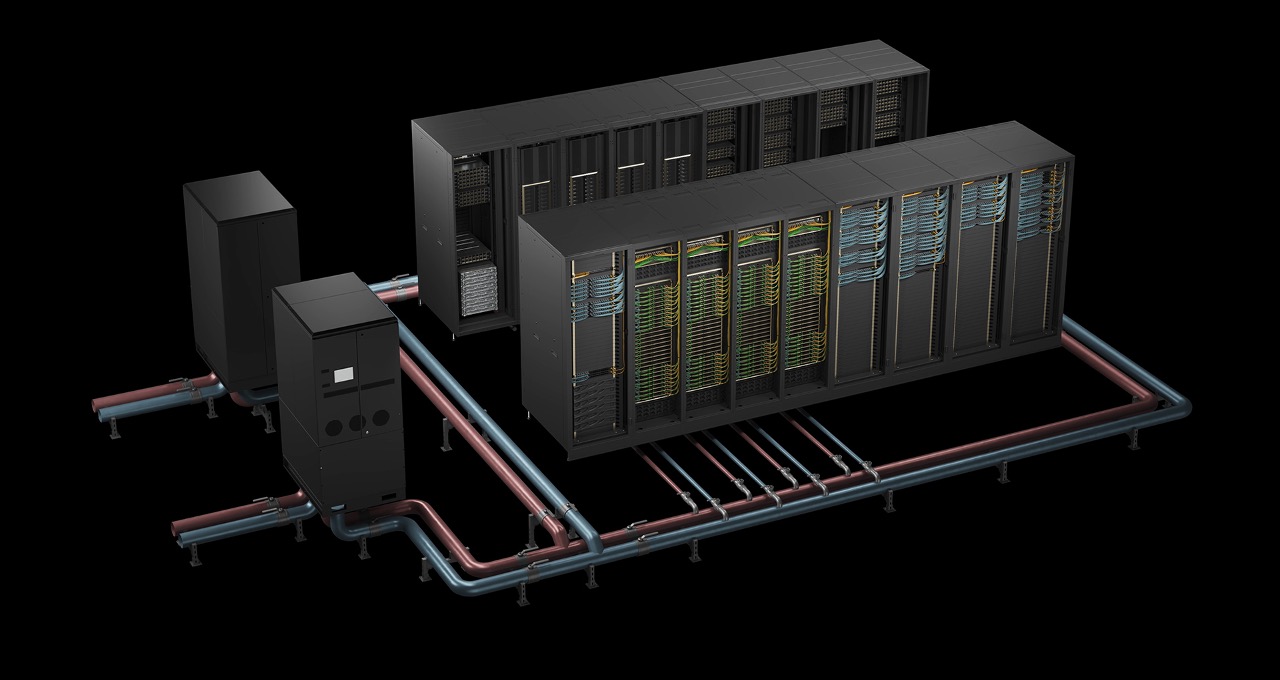
The company is introducing a new 45°C liquid cooling system for next-generation AI data centers—what NVIDIA often refers to as AI factories. The technology promises not only better performance but also dramatic reductions in water consumption and improved energy efficiency.
In other words, the future of AI might not just depend on smarter chips.
It may also depend on smarter cooling.
Why Cooling Matters More Than Ever
Training and running modern AI models requires an enormous amount of computing power.
Thousands of GPUs operate simultaneously, generating an incredible amount of heat.
Without effective cooling, those chips would quickly overheat, reducing performance and potentially damaging expensive hardware.
Traditionally, many large-scale data centers rely on cooling towers, which use vast amounts of water to remove heat from servers.
As AI infrastructure expands worldwide, this approach is becoming increasingly difficult to sustain.
Water usage has become one of the industry’s biggest environmental concerns.
NVIDIA’s New Approach: 45°C Liquid Cooling
Instead of relying heavily on traditional cooling towers, NVIDIA’s new system uses 45°C liquid cooling.
Here’s how it changes the equation.
Rather than evaporating massive amounts of water to cool equipment, the warmer liquid can efficiently carry heat away from AI hardware before transferring it to dry coolers, which require little to no water during normal operation.
According to NVIDIA, this could reduce cooling water consumption from around 2.6 million gallons per megawatt each year to nearly zero.
That’s a significant improvement, especially as AI data centers continue growing in both size and number.
Better Efficiency—Not Just Less Water
Reducing water consumption is only part of the story.
Liquid cooling is also far more efficient at transferring heat than traditional air cooling.
That means AI chips can operate at higher performance levels while consuming less energy for cooling infrastructure.
In practical terms, operators may benefit from:
- Lower cooling costs
- Better energy efficiency
- Higher hardware performance
- Increased data center reliability
- Reduced environmental impact
As AI workloads become larger and more demanding, these efficiency gains could translate into significant operational savings.
Baca juga: Penguatan Sistem Pendidikan Nasional, bangun Pendidikan Indonesia yang Lebih Terintegrasi
Turning Waste Heat Into Something Useful
Perhaps one of the most interesting aspects of the new system is what happens after the heat is removed.
Instead of simply releasing that heat into the atmosphere, future AI facilities could potentially capture and reuse it.
Recovered heat could be redirected to warm nearby buildings, support industrial processes, or contribute to district heating systems in certain cities.
This concept isn’t entirely new, but high-temperature liquid cooling makes heat recovery much more practical than conventional cooling methods.
It’s another example of how data centers are evolving from energy-intensive facilities into smarter pieces of infrastructure.
Why This Matters
The AI race isn’t only about building faster models or more powerful chips.
It’s also about building infrastructure that can support those models responsibly.
As companies invest billions of dollars into new AI factories, sustainability is becoming just as important as raw performance.
Cooling systems that consume less water and electricity could play a major role in reducing the environmental footprint of large-scale AI.
For NVIDIA, improving cooling technology isn’t just an engineering upgrade, it’s a necessary step toward supporting the next generation of artificial intelligence.
Baca juga: Penguatan Sistem Pendidikan Nasional, bangun Pendidikan Indonesia yang Lebih Terintegrasi
The Bigger Picture
Every breakthrough in AI depends on an equally important breakthrough behind the scenes.
Faster chips need better cooling. More powerful models need smarter infrastructure. And as AI continues expanding into every industry, efficiency will matter just as much as performance.
NVIDIA’s 45°C liquid cooling system shows that innovation isn’t always about making AI think faster.
Sometimes, it’s about finding better ways to keep the machines that power AI running efficiently, sustainably, and at global scale.
The future of artificial intelligence won’t just be measured by smarter models.
It’ll also be measured by the infrastructure that makes those models possible.
Follow AICurateHub for More AI Updates
Want to stay ahead of the latest breakthroughs in artificial intelligence and emerging technology?
Follow @aicuratehub on Instagram for daily AI news, product launches, infrastructure updates, and industry insights. Visit aicuratehub.com/ to explore more breaking news, deep dives, practical guides, and everything shaping the future of AI and technology.