

When most people think about drones, they imagine aerial photography, food delivery, or maybe a package arriving at their doorstep.
But what if a drone could carry an entire ton of cargo?
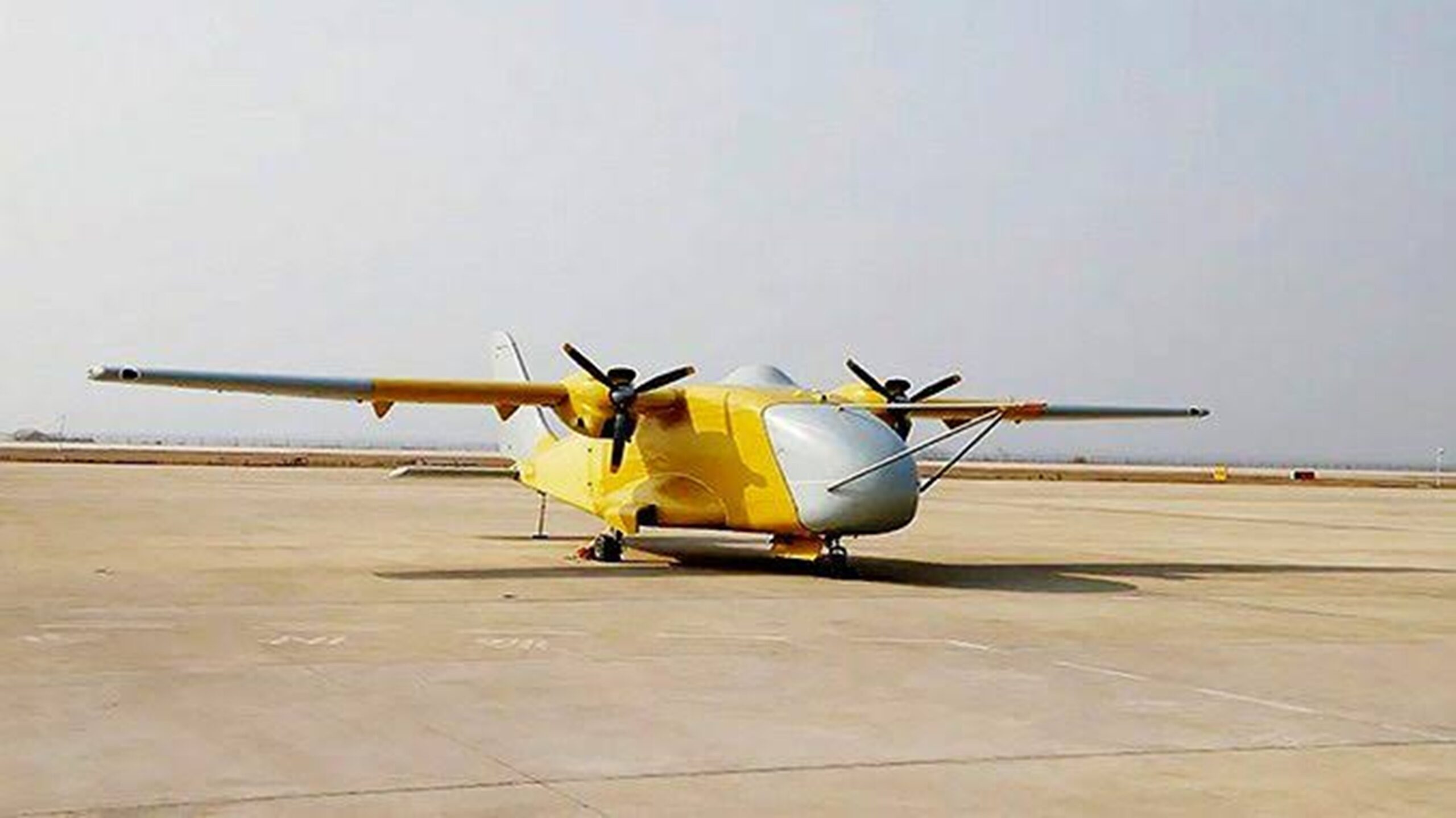
That’s exactly what China is aiming for with the YH-1000S, a new hybrid-powered cargo drone that’s now entering its final testing phase. Built for heavy-duty logistics rather than consumer deliveries, the aircraft is designed to transport supplies to places where trucks, trains, or even conventional aircraft can’t easily operate.
It’s a bold idea and one that could reshape how goods move through some of the world’s most challenging environments.
Meet the YH-1000S
At first glance, the YH-1000S doesn’t look like the small quadcopters many of us are familiar with.
This is an industrial cargo aircraft built for serious work.
Its headline specifications are impressive:
- Payload capacity: Up to 1,000 kilograms (1 ton)
- Flight range: Approximately 1,000 kilometers
- Hybrid propulsion system
- Smart flight control technology
- Designed for difficult terrain and high-altitude operations
Because of these capabilities, some observers have already nicknamed it a “flying pickup truck.”
And honestly, the comparison fits.
Instead of transporting groceries or camera equipment, the YH-1000S is built to move heavy cargo where traditional transportation simply isn’t practical.
Why Hybrid Power Matters
One of the drone’s biggest advantages is its hybrid propulsion system.
Unlike fully electric drones, which are often limited by battery life, hybrid aircraft combine different power sources to achieve longer flight times and greater operational flexibility.
That extra endurance allows the YH-1000S to travel much farther while carrying significantly heavier loads.
For logistics companies and emergency response teams, that could make a huge difference.
Longer range means fewer stops. Heavier payloads mean fewer trips. And together, those improvements could dramatically reduce delivery times in remote regions.
Baca juga: OpenAI Codex Record & Replay Turns Repetitive Tasks Into AI Skills
Built for Places Trucks Can’t Reach
Perhaps the most exciting part of the YH-1000S isn’t how much it can carry, it’s where it can go.
According to its developers, the drone is designed to operate in environments that are difficult for conventional vehicles.
That includes:
- Mountainous regions
- High-altitude areas
- Rugged terrain
- Remote communities
- Harsh weather conditions
Imagine delivering medical supplies to isolated villages after a natural disaster.
Transporting equipment to mining operations deep in the mountains.
Or supplying construction projects in areas without reliable roads.
These are exactly the kinds of missions where cargo drones could provide enormous value.
The Future of Logistics Is Looking Up
For decades, logistics has relied on a familiar formula:
Trucks for roads. Ships for oceans. Aircraft for long distances. But cargo drones are creating an entirely new category.
Instead of replacing traditional transportation, they’re filling the gaps between existing systems, especially in places where building roads or airports isn’t economically feasible.
As batteries improve, AI-powered navigation becomes more sophisticated, and autonomous flight technology continues to mature, heavy-lift drones could become a common part of global supply chains.
Baca juga: NVIDIA MotionBricks Could Change Animation and Robotics Forever
The Bigger Picture
The YH-1000S is more than just another drone.
It’s part of a much larger shift toward autonomous logistics, where intelligent aircraft help move goods faster, farther, and more efficiently than ever before.
While the aircraft is still undergoing final testing, its specifications offer a glimpse into what the next generation of cargo transportation could look like.
Whether supporting disaster relief, reaching remote communities, or improving industrial logistics, drones like the YH-1000S could eventually become an essential piece of modern infrastructure.
The future of transportation may not only be electric or autonomous. It might also spend a lot more time in the sky.
Follow AICurateHub for More AI & Tech Updates
Want to stay ahead of the latest breakthroughs in artificial intelligence, robotics, aviation, and emerging technology?
Follow @aicuratehub on Instagram for daily tech news, AI innovations, and future-focused insights. Visit aicuratehub.com/ to explore more breaking news, deep dives, and practical explainers covering the technologies shaping tomorrow.