
Tensions surrounding artificial intelligence in creative industries took an unprecedented turn at a university art gallery exhibition.
A student allegedly expressed opposition to AI-generated artwork by physically eating printed pieces directly off the gallery walls.
This bizarre protest highlights growing emotional resistance among traditional art communities toward automated media creation tools.
The Incriminating Incident at University Gallery
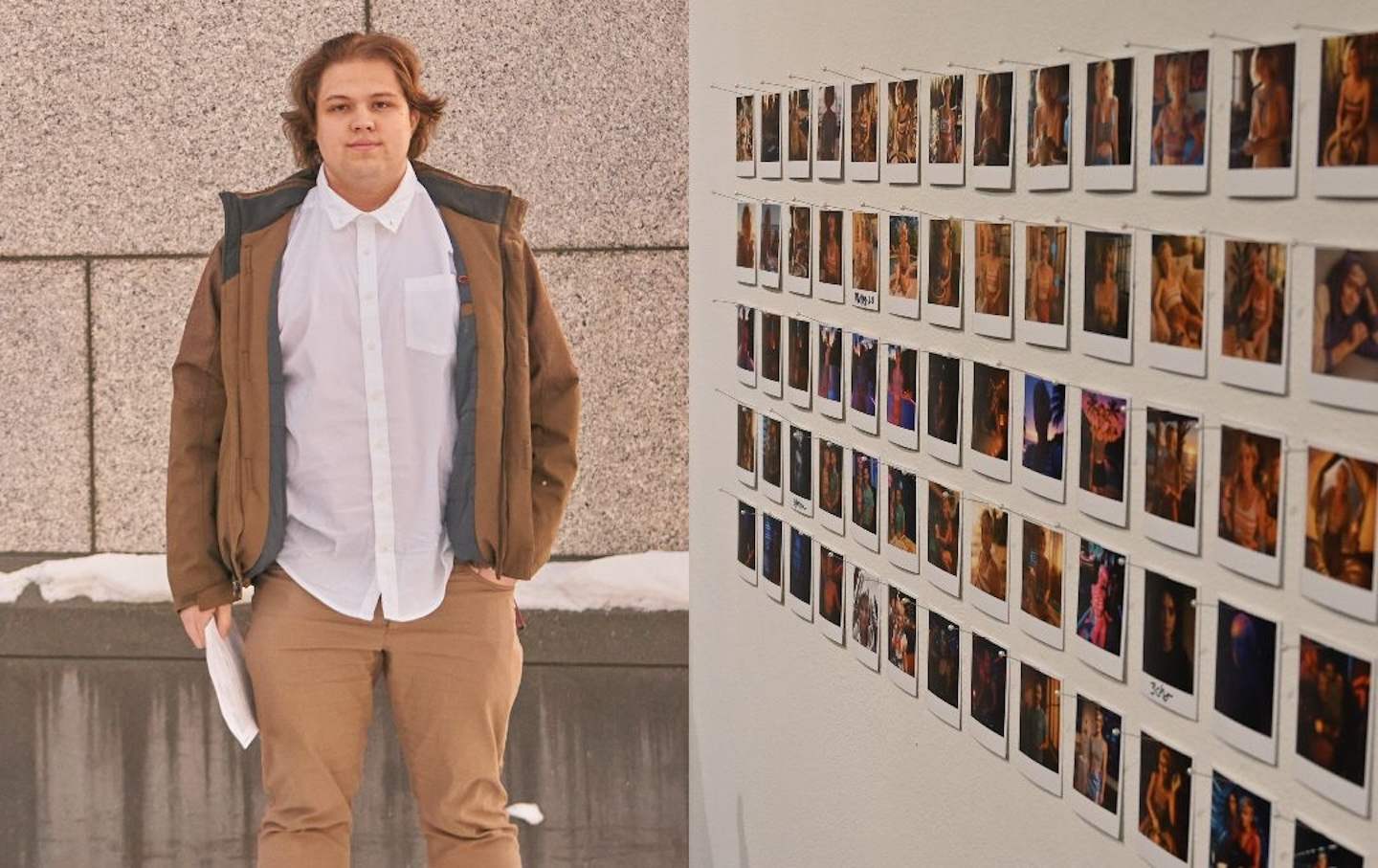
University of Alaska Fairbanks student Graham Granger allegedly targeted an active fine arts installation on campus.
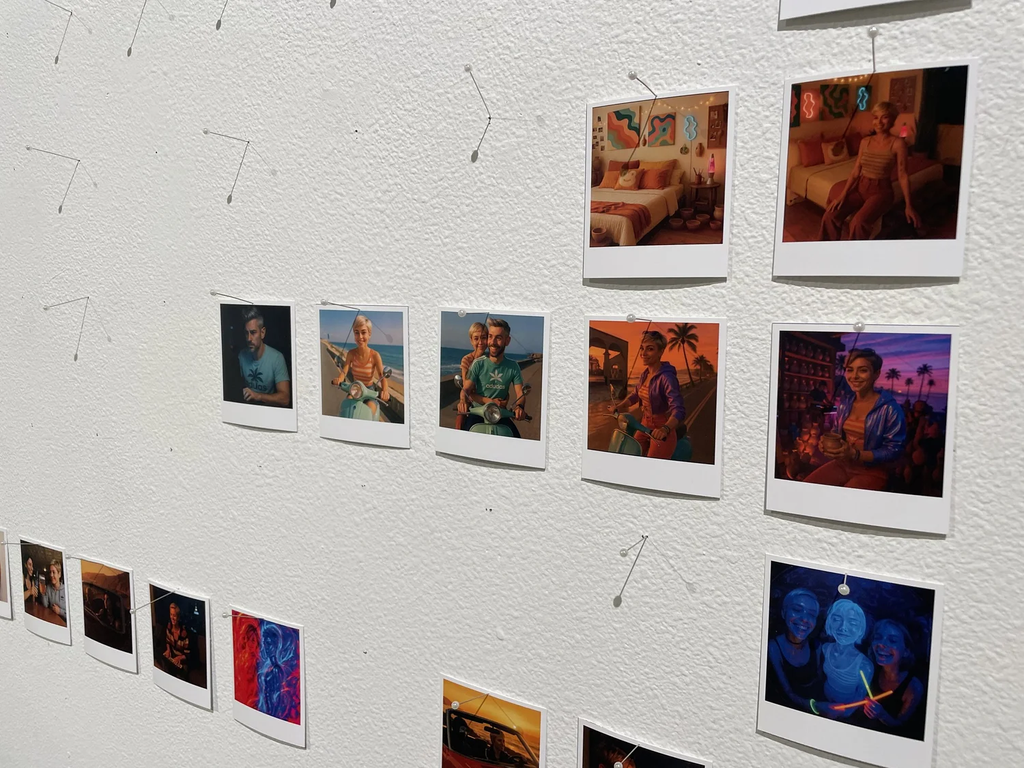
The featured exhibit contained 160 AI-generated images created by student artist Nick Dwyer.
Granger reportedly consumed and tore down physical prints, damaging at least 57 displayed artworks during the incident.
Campus authorities subsequently charged Granger with fifth-degree criminal mischief following the destruction of gallery property.
The Irony Behind the Conceptual Exhibition
The exhibition title, “Shadow Searching: ChatGPT Psychosis,” specifically explored the psychological implications of conversational algorithms.
Dwyer designed the collaborative AI artwork to critically examine potential cognitive risks and societal impacts of automation.
Ironically, the protest targeted a conceptual installation that was already raising critical questions about technology’s dark side.
The destruction inadvertently mirrored the chaos and breakdown that the artist sought to critique through his computer art.
Escalating Anti-AI Sentiment in Creative Spaces
This physical gallery destruction represents a sharp escalation in ideological pushback against generative art creation engines.
Many traditional painters, illustrators, and fine artists view automated image generators as existential threats to creative livelihoods.
Concerns regarding unauthorized dataset training, intellectual property theft, and creative devaluation fuel intense emotional hostility across campuses.
Protesters increasingly seek dramatic physical or digital disruptions to make their voices heard against rapid commercial adoption.
Legal Boundaries and Criminal Mischief Charges
Expressing ideological disagreement with modern technological trends remains protected, but destroying property crosses clear legal boundaries.
Damaging gallery artwork compromises academic freedom, institutional trust, and physical safety standards within public educational spaces.
Facing fifth-degree criminal mischief charges underscores that physical vandalism carries real legal consequences regardless of political motivation.
Universities must now balance fostering open technological debate while safeguarding student installations from physical destruction or harm.
The Dilemma of Intellectual Property and Credit
At the heart of the AI debate lies the complex question of artistic authorship and original creative labor.
Critics argue that algorithms merely synthesize existing human artwork scraped from vast internet databases without consent or royalty compensation.
Conversely, proponents contend that prompting AI models constitutes a valid new medium for modern conceptual storytelling.
This fundamental disagreement creates deep division across art schools, professional galleries, and international copyright regulatory bodies.
Conceptual Art Meets Unintended Physical Performance
In modern art history, aggressive audience interventions often become unintended extensions of the work itself.
Eating physical art prints transforms a static gallery installation into an chaotic, unplanned performance art event.
By physically destroying the generated prints, the protester underscored the raw human emotion that algorithms cannot replicate.
This visceral reaction demonstrates that machine-generated content provokes genuine human passion, fear, and philosophical conflict.
Navigating Ethics and Policy in Academic Institutions
Higher education campuses serve as primary battlegrounds where artificial intelligence policy, ethics, and creative boundaries intersect daily.
Universities must establish clear guidelines regarding the acceptable use of generative tools in fine arts coursework.
Faculties face the challenge of encouraging technical innovation while protecting traditional manual skills and heritage craft techniques.
Open dialogue between human artists and technologists remains essential for building respectful creative coexistence moving forward.
Follow @aicuratehub on social media for timely updates, expert commentary, and deep dives into generative technology.
Visit aicuratehub.com today to explore curated insights on AI ethics, digital policies, and creative industry trends.