
The intersection of classic video game nostalgia and modern spatial computing hardware creates breathtaking immersive experiences for players worldwide.
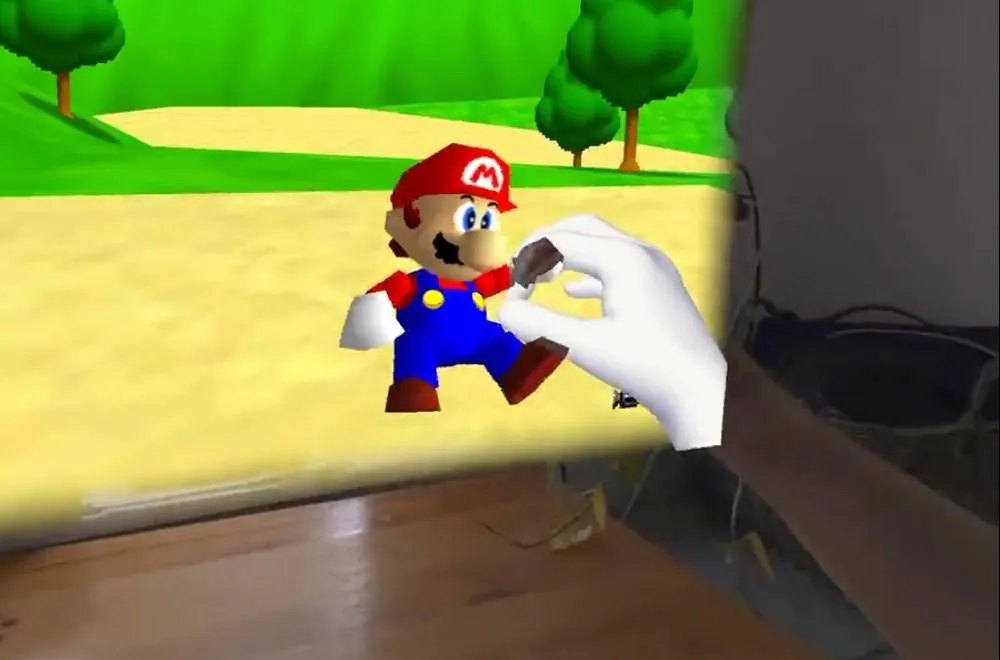
Extended reality developer Lucas Martinic has successfully ported the 1996 classic Super Mario 64 into mixed reality.
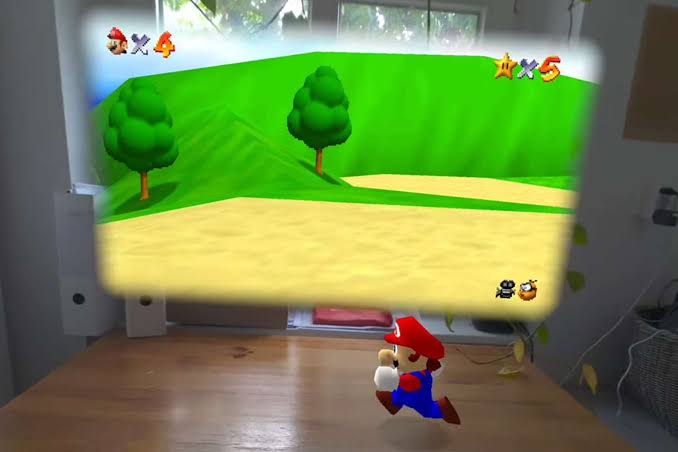
This incredible technical achievement allows iconic game characters to inhabit physical real-world rooms in stunning true 3D space.
Running Smoothly at Ninety Frames Per Second on PICO
Maintaining high frame rates is essential in spatial computing to prevent motion sickness and ensure seamless visual immersion.
The mixed reality port runs smoothly at an impressive ninety frames per second on a PICO headset hardware platform.
Such high performance guarantees fluid character animations and responsive interactions across physical living room or office desks.
Physically Interacting with Virtual Characters on Real Desks
Players are no longer confined to traditional flat television screens or computer monitors when experiencing classic video game adventures.
Using advanced hand-tracking capabilities, users can physically grab Mario by his virtual collar and place him down anywhere.
Mario can walk across real tables, jump over physical coffee cups, and interact dynamically with everyday household objects.
Harnessing Claude Opus 5.5 for Advanced XR Development
Developing complex spatial applications typically demands extensive programming hours and intricate knowledge of underlying 3D graphics engines.
To accelerate the build process, the developer utilized advanced artificial intelligence assistance through Claude Opus 5.5.
Combining intelligent code generation with PICO command-line interface tools streamlined the entire porting and optimization workflow significantly.
Independent Development and Respect for Intellectual Property
Independent fan-made preservation projects demonstrate the incredible creativity thriving within the global extended reality developer community.
The developer noted that he legally owns an original physical copy of the retro Nintendo cartridge.
Furthermore, he explicitly clarified that the mixed reality port is an independent project unaffiliated with Nintendo or PICO.
Exploring the Future of Spatial Retro Remakes
Breathing new life into childhood favorite video games through mixed reality opens up exciting possibilities for retro game preservation.
Imagine exploring classic platformer levels mapped directly across your backyard or living room furniture layout in real time.
Spatial computing transforms passive gaming sessions into active, room-scale physical adventures that redefine traditional interactive entertainment.
Technical Challenges of Porting N64 Code to XR
Adapting legacy Nintendo 64 architecture into modern spatial headsets requires solving difficult rendering and coordinate-mapping challenges.
Translating flat polygon coordinates into accurate room-scale depth buffers ensures virtual characters align seamlessly with physical surfaces.
Achieving stable 90 FPS performance proves that modern AI-assisted workflows can overcome complex software optimization hurdles.
Community Reactions to Nostalgic Mixed Reality Breakthroughs
Showcasing experimental builds across social media platforms sparks enthusiastic discussions among retro gaming fans and technology enthusiasts.
Many gamers express eager excitement at the prospect of experiencing their favorite childhood titles in immersive spatial environments.
Such viral engineering feats highlight the endless creative potential of independent developers experimenting with spatial hardware tools.
What Mixed Reality Means for Next-Generation Gaming
As mixed reality headsets become lighter and more powerful, interactive spatial applications will become mainstream consumer software.
Developer experiments like this 3D Mario port offer a fascinating glimpse into the future of interactive entertainment.
The boundary separating physical reality and digital virtual worlds continues to blur as spatial computing technologies mature globally.
Stay Informed with AI Curate Hub
Navigating fast-moving artificial intelligence software releases, XR hardware breakthroughs, and tech trends is essential for modern professionals.
Following trustworthy digital news platforms helps creators understand how automated workflows reshape global entertainment standards daily.
Follow @AICurateHub across social media platforms for timely news alerts, technical analyses, and concise digital media summaries.
Visit aicuratehub.com today to explore in-depth articles covering generative artificial intelligence, spatial computing, and emerging tech trends.