

The education technology landscape is experiencing a massive transformation as technology providers embed generative intelligence directly into core utilities.
Google has recently announced a major policy shift regarding how student accounts access essential digital classroom research tools.
Starting in early 2027, the traditional boundaries separating web searching and artificial intelligence assistants will dissolve entirely across schools.
The Upcoming 2027 Policy Change for Student Accounts
Educational institutions worldwide rely heavily on Google workspace services and search utilities to support daily classroom instruction.
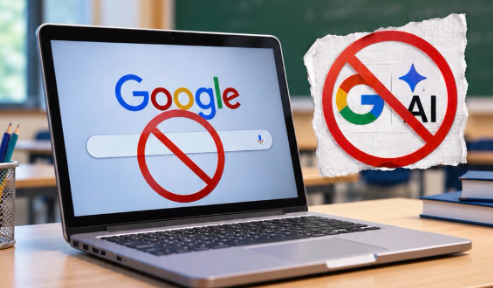
Under the upcoming 2027 policy updates, schools that disable Google’s artificial intelligence tools will face unexpected service restrictions.
Specifically, educational networks that block built-in AI applications may simultaneously lose native access to Google Search unless configured manually.
Linking Google Search with Gemini and NotebookLM
Google’s updated infrastructure ties foundational search algorithms directly with advanced generative features like Gemini and NotebookLM.
Rather than operating as standalone software utilities, these applications function as an interconnected ecosystem designed for modern learning.
Consequently, opting out of artificial intelligence components becomes significantly more complex for school IT administrators managing student devices.
The Requirement for Manual Configuration by School IT Teams
To maintain access to standard web search utilities, school administrators will be required to enable services manually.
This administrative hurdle forces educational institutions to reconsider blanket bans on emerging classroom technologies and generative software.
IT departments must carefully evaluate whether restricting artificial intelligence is practical when tied directly to essential search infrastructure.
Balancing Classroom Safety and Technological Advancement
School boards and educators face persistent challenges regarding data privacy, academic integrity, and student distraction caused by digital tools.
While many districts initially banned generative models to prevent cheating, total exclusion is becoming increasingly difficult to sustain.
Technology providers are signaling that artificial intelligence is no longer an optional add-on but a foundational layer of modern computing.

The Broader Implications for Educational Technology Policy
Google’s linkage strategy sets a powerful precedent for how major technology conglomerates manage enterprise and educational software deployments.
Forcing institutions to accept bundled artificial intelligence features sparks intense debates among policymakers, educators, and digital rights advocates.
Schools must navigate the delicate balance between protecting young learners and preparing them for an AI-driven workforce.
Student Engagement and Modern Digital Literacy
Integrating smart assistants into classrooms offers unprecedented opportunities for personalized learning, research assistance, and creative problem-solving.
Students benefit from interactive explanations and guided study aids tailored specifically to their individual curriculum requirements.
Fostering digital literacy ensures that the next generation learns to use artificial intelligence tools responsibly and critically.
What This Means for Schools Preparing for 2027
School districts have a limited window to review their technology policies and infrastructure readiness ahead of the 2027 deadline.
Administrators must collaborate closely with teachers and IT specialists to develop balanced guidelines that embrace safe artificial intelligence integration.
Adapting proactively to these ecosystem shifts prevents sudden classroom disruptions when the new platform requirements take full effect.
Stay Informed with AI Curate Hub
Navigating fast-moving educational technology policy changes, software updates, and artificial intelligence regulations is essential for modern educators.
Following trustworthy digital news platforms helps schools understand how automated tools reshape global learning standards daily.
Follow @AICurateHub across social media platforms for timely news alerts, technical analyses, and concise digital media summaries.
Visit aicuratehub.com today to explore in-depth articles covering educational technology, artificial intelligence policy, and emerging tech trends.