
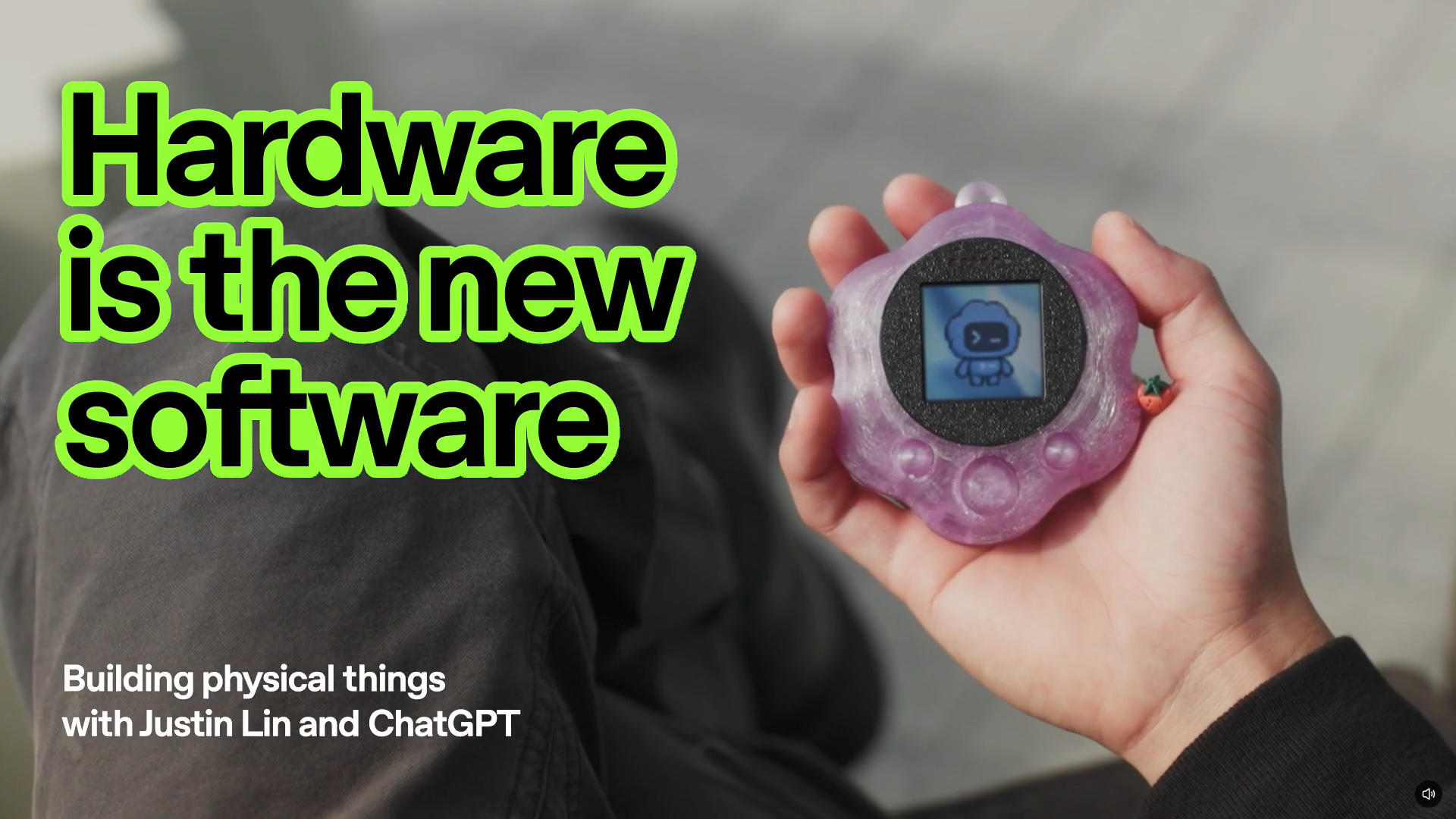

The artificial intelligence revolution is expanding rapidly beyond traditional software applications and text generation interfaces.
OpenAI is actively exploring how advanced models like ChatGPT and Codex can assist engineers with physical hardware creation.
This groundbreaking shift brings intelligent automation directly into mechanical design, electrical engineering, and real-world simulation testing workflows.
Building a Working Gadget With Zero Direct Human Edits
To test these physical engineering capabilities, OpenAI conducted an ambitious experimental project building a functional gadget.
In less than one week, the GPT-6 Astra model handled enclosure case design, circuit board routing, and embedded software.
The system operated alongside only two human staff members, demonstrating unprecedented autonomy in complex multi-disciplinary hardware development.
Surpassing Benchmarks With Unreleased OpenAI Model Iterations
Performance evaluations on standardized hardware design tests reveal staggering leaps in machine reasoning and physical spatial comprehension.
An unreleased OpenAI model achieved an impressive score of 0.875 on complex engineering evaluations.
This superior performance significantly outperformed GPT-6 Astra’s previous benchmark score of 0.594, highlighting rapid algorithmic maturation.
Revolutionizing Mechanical Enclosure and Industrial Case Design
Designing physical enclosures requires balancing structural durability, thermal dissipation, aesthetic appeal, and precise component housing tolerances.
Generative artificial intelligence models can now iterate through computer-aided design parameters to optimize physical shell casing geometry instantly.
Automating mechanical housing layouts eliminates weeks of manual prototyping iterations for industrial design and manufacturing teams.
Automating Complex Circuit Board Layouts and Schematics
Electrical engineering involves intricate circuit board routing, signal integrity analysis, and component placement optimizations.
Codex integration allows engineers to translate functional requirements into precise schematic layouts and printed circuit board designs automatically.
Minimizing layout errors accelerates electrical prototyping cycles and reduces costly hardware manufacturing revision loops significantly.
Simulating Real-World Physical Stress and Thermal Performance
Before physical manufacturing begins, engineers must test how devices handle thermal heat dissipation and mechanical drop impacts.
Advanced simulation tools driven by artificial intelligence evaluate physical stress points and thermal limits with extreme precision.
Virtual validation ensures that hardware prototypes function reliably under harsh real-world operating conditions before factory tooling starts.
The Broader Impact on Robotics and Connected Devices
Integrating automated hardware design tools with physical manufacturing pipelines transforms robotics, consumer electronics, and Internet of Things development.
Teams can prototype innovative smart devices in days rather than months, accelerating overall product innovation cycles globally.
This technological convergence empowers small engineering teams to build sophisticated physical products previously requiring large industrial labs.
What AI Hardware Engineering Means for the Future
As foundational models gain advanced physical reasoning capabilities, the boundary between software coding and hardware manufacturing dissolves.
Future engineering environments will feature intelligent assistants capable of designing, simulating, and fabricating complete physical systems autonomously.
OpenAI’s latest experiments offer a fascinating glimpse into a future where artificial intelligence shapes our physical world.
Stay Informed with AI Curate Hub
Navigating fast-moving artificial intelligence hardware breakthroughs and engineering automation trends is essential for modern technical professionals.
Following trustworthy digital news platforms helps creators understand how automated workflows reshape global manufacturing standards daily.
Follow @AICurateHub across social media platforms for timely news alerts, technical analyses, and concise digital media summaries.
Visit aicuratehub.com today to explore in-depth articles covering generative artificial intelligence, hardware design, and emerging tech trends.