
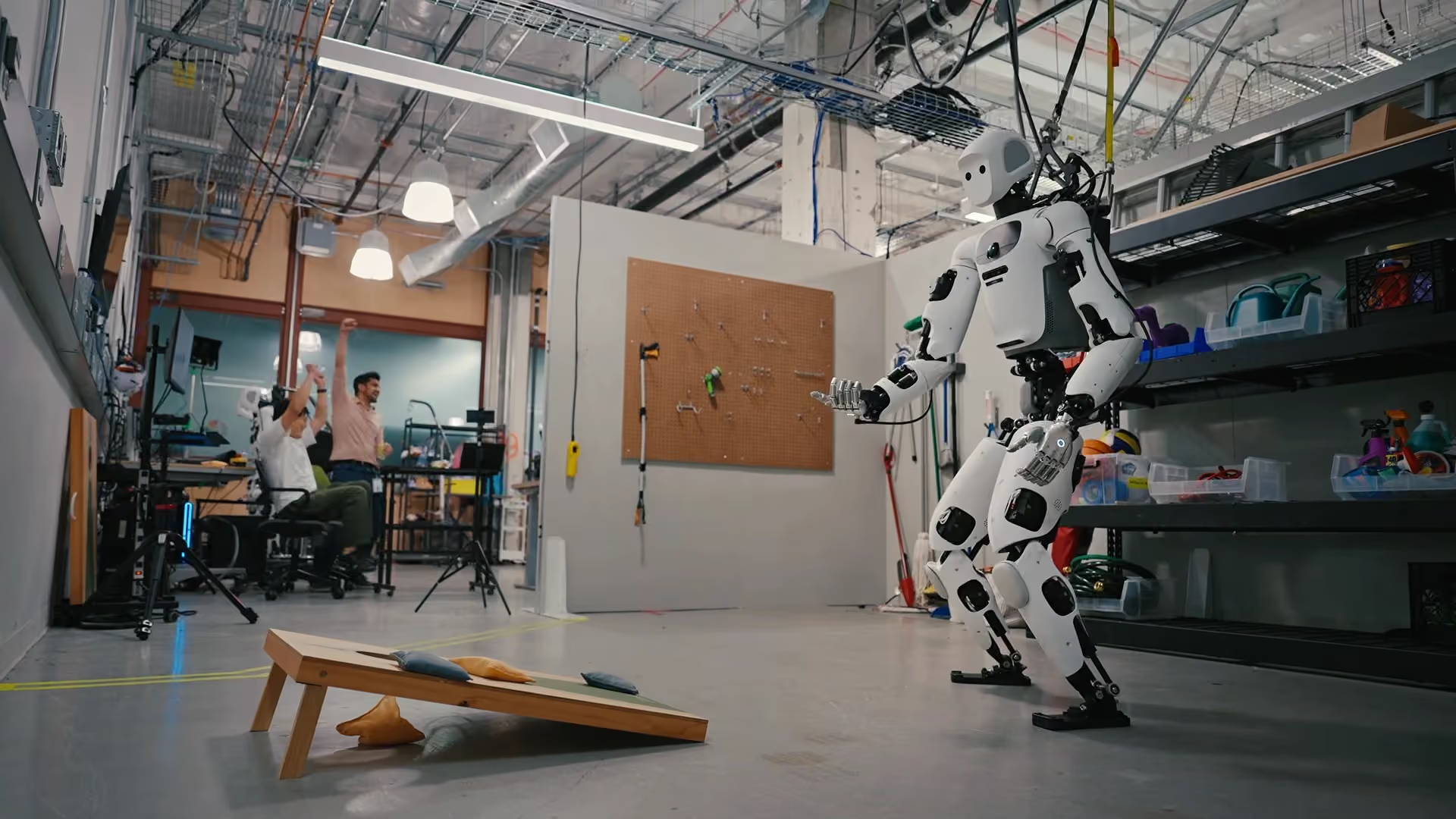

Reflex Robotics Tests Robots for Real World Physical Work
Robots are leaving controlled factory floors and entering the unpredictable physical world. Reflex Robotics is testing robotic systems built for physically demanding work, such as snow removal, where surfaces change and obstacles appear without warning. The key question is simple: can robots reliably handle the messy tasks humans perform every day?
What Is Reflex Robotics Exploring?
Reflex Robotics is exploring automation for physical work in real world environments. Instead of repeating fixed tasks in structured settings, its robots must cope with changing conditions.
Snow removal illustrates the challenge. Snow accumulates unevenly, surfaces turn slippery, and obstacles block the route. A robot must combine movement, environmental awareness, and task execution to succeed.
Why Does Real World Robotics Matter?
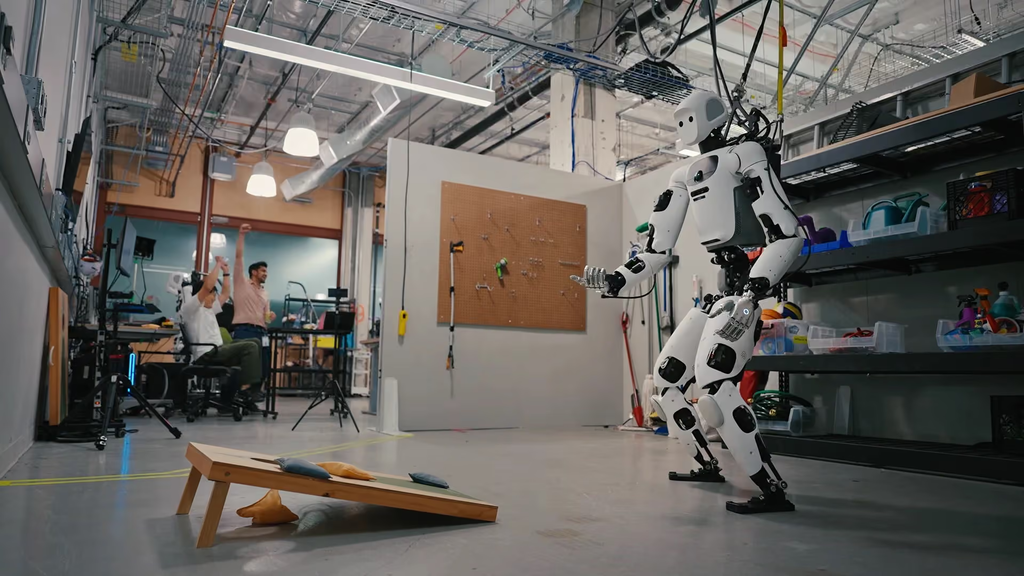
Traditional industrial robots transformed manufacturing through speed and consistency. However, outdoor spaces, homes, and warehouses contain variables that are hard to predict.
Robots that adapt to these conditions could expand automation into sectors where human labor remains essential. Businesses could gain efficiency, reduce exposure to hazardous work, and support labor intensive activities. These benefits, however, depend on reliability, safety, and cost.
How Could Robots Perform Physically Demanding Tasks?
Several technologies must work together. Sensors and computer vision identify objects and obstacles. Artificial intelligence interprets that information and selects actions. Movement and manipulation systems, such as legs, wheels, or robotic arms, then carry out the work.
In snow removal, a robot must locate the area, navigate terrain, avoid obstacles, and handle equipment. It must also adjust when conditions differ from expectations. The sensors, AI models, and mechanical design behind Reflex Robotics’ tests have not been specified, so its capabilities should be judged by demonstrated performance.
Who Could Benefit From Physical Automation?
Businesses could assign repetitive tasks to robots while employees focus on judgment, communication, and expertise. Property managers and logistics operators could use robots for maintenance, cleaning, and manual handling. Workers may also benefit from reduced exposure to extreme weather and physical strain.
Adoption still requires planning. Companies must weigh acquisition costs, maintenance, energy use, safety procedures, and technical support. Automation may also change job roles, making training essential.
When Will Robots Be Ready for Everyday Work?
Moving from demonstration to dependable daily use remains difficult. A robot that succeeds in one test may struggle when weather, terrain, or tasks change. Before widespread adoption, robots must perform consistently, operate safely around people, recover from errors, and justify their cost compared with conventional equipment or human labor.
No timeline for wider availability of Reflex Robotics systems has been provided.
What Does This Mean for the Future of Work?
Paired with robotic hardware, artificial intelligence can interact directly with the physical world, not only with writing, research, and data. Even so, human judgment and flexibility remain valuable. The most practical future is collaboration: robots handle selected repetitive or demanding tasks, while humans supervise, solve unusual problems, and make higher level decisions.
Join the Conversation About AI and Robotics
Would you trust a robot to clear the snow outside your home?
Follow @aicuratehub on Instagram for more updates on artificial intelligence, robotics breakthroughs, emerging technologies, and the future of work. Visit aicuratehub.com to discover more insights into the innovations shaping tomorrow. Stay curious, explore the possibilities, and join the conversation about how AI is transforming the world around us.