
Trump and Tech Leaders Sign Voluntary AI Safety Accord
Artificial intelligence is advancing rapidly. Technology leaders are now discussing how to manage its potential risks.
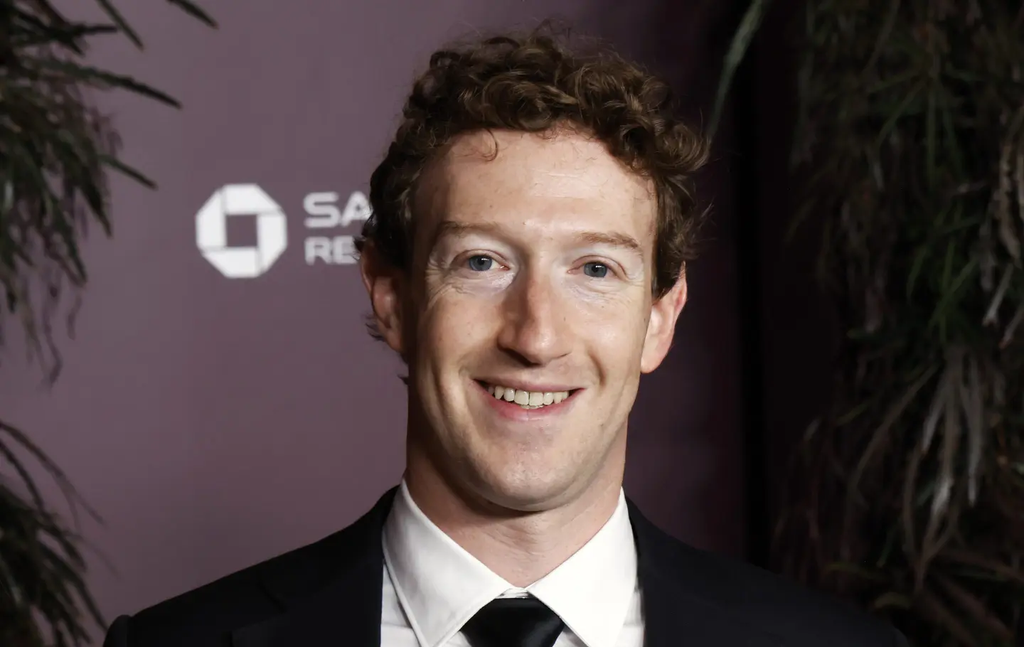
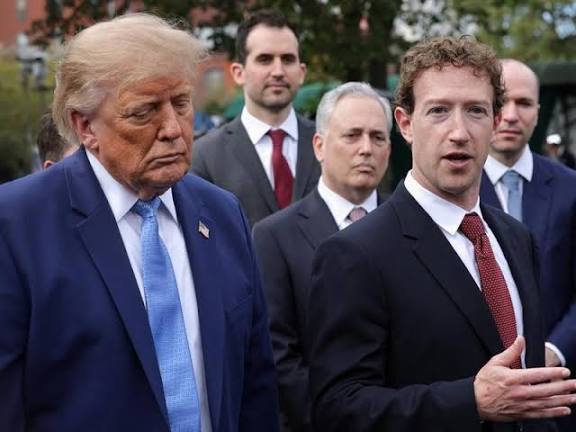
Following a White House meeting with President Donald Trump, major technology figures discussed a voluntary approach to AI safety and oversight. Mark Zuckerberg, CEO of Meta, was among the industry leaders involved in the discussions.
The initiative highlights internal risk assessments, independent audits and board-level oversight. However, companies must still demonstrate how these safeguards work in practice.
What Is the AI Safety Accord?
The AI safety accord promotes a shared approach to managing risks from advanced AI systems.
Participating companies can assess their models, monitor potential problems and strengthen their safeguards. Independent evaluations can provide an additional layer of scrutiny.
The framework aims to encourage responsible AI development. It also provides a starting point for greater cooperation across the technology industry.
Who Is Involved?
Mark Zuckerberg and other technology leaders participated in discussions about AI safety at the White House.
These companies compete in AI development, but they also face similar risks. These include cybersecurity threats, misinformation and the misuse of advanced AI systems.
Cooperation could help companies adopt more consistent safety practices. Each organization must still take responsibility for its own systems.
How Will the Framework Work?
The proposed approach focuses on several layers of oversight.
Internal risk assessments
Companies can evaluate their AI models during development and deployment. These reviews can help teams identify vulnerabilities and potential harmful uses.
Independent external audits
External evaluators can examine company safety practices. They can also assess whether internal controls work as intended.
Board-level oversight
Independent board reviews can help directors monitor AI-related risks. They can also encourage companies to address weaknesses identified during evaluations.
Together, these measures aim to improve risk management. Their effectiveness will depend on how companies implement them.
Why Does AI Safety Matter?
AI can support scientific research, healthcare, business productivity and software development. However, increasingly capable systems also introduce new risks.
These risks include cybersecurity threats, misinformation and harmful misuse. Companies need effective safeguards to manage these challenges.
Independent assessments can provide greater accountability. They may also help businesses and consumers evaluate how companies manage AI risks.
What Are the Limitations?
The framework is voluntary. This means companies may adopt different approaches and levels of oversight.
Audit independence also matters. External evaluators need sufficient independence to assess safety practices fairly.
Transparency presents another challenge. Without clear reporting, the public may struggle to determine whether companies have fulfilled their commitments.
Measurable progress and clear accountability will therefore remain important.
What Comes Next for AI Governance?
The initiative could encourage closer cooperation between technology companies. However, its long-term impact will depend on implementation.
Companies need to turn broad commitments into effective procedures. They must also address risks as their AI systems evolve.
Voluntary industry standards may support responsible innovation. Government regulation may also play an important role.
Ultimately, the goal is to develop AI responsibly while managing its potential risks.
For more updates on artificial intelligence, technology policy and emerging AI tools, follow @aicuratehub on Instagram and visit aicuratehub.com.