
The personal computer industry is undergoing a massive evolutionary leap as hardware manufacturers rethink traditional silicon architectures.
Historically, personal computers relied on physically separated central processing units and graphics chips connected across standard motherboard traces.
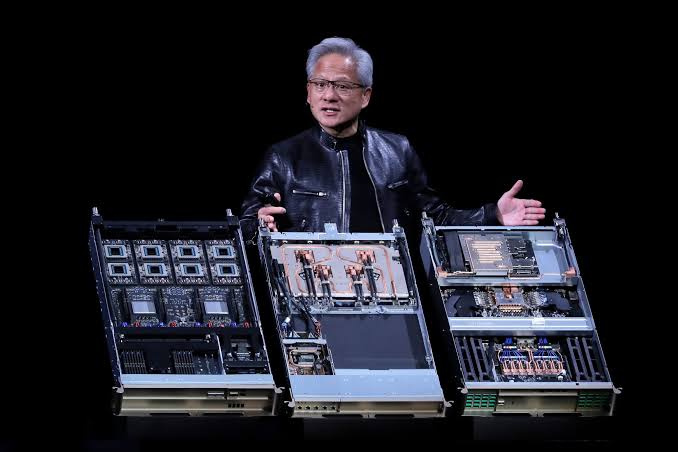
NVIDIA has disrupted this legacy design model by introducing the RTX Spark platform, combining two powerhouse processors into one.
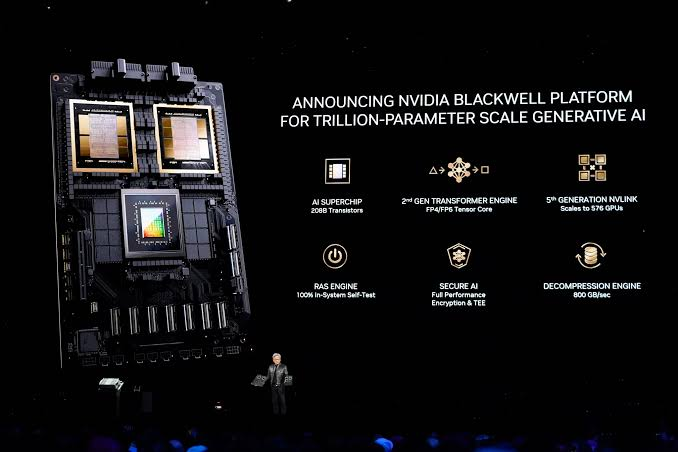
This breakthrough engineering approach integrates an advanced NVIDIA Grace CPU and a Blackwell RTX GPU into a single cohesive superchip.
Technical Specs of the NVIDIA RTX Spark Superchip
Underneath its compact physical footprint, the RTX Spark platform packs staggering computational capabilities designed for intensive modern digital workloads.
The superchip pairs a high-efficiency 20-core Grace CPU with a robust Blackwell RTX graphics processor featuring up to 6,144 CUDA cores.
Furthermore, the system supports up to 128GB of high-speed unified memory alongside an impressive 1 petaflop of FP4 AI performance.
This tightly integrated silicon design eliminates traditional data transfer bottlenecks between separate memory pools, maximizing overall execution efficiency.
Running Advanced Local Artificial Intelligence Models
As generative artificial intelligence models grow increasingly sophisticated, running them efficiently requires massive hardware resources right on the local device.
The massive unified memory capacity embedded within RTX Spark allows users to execute complex large language models locally.
Developers and creators can leverage up to 128GB of memory to support models containing up to 120 billion parameters effortlessly.
Processing complex workloads locally reduces reliance on remote cloud infrastructure, ensuring faster response times and enhanced data privacy.
Redefining Creative Workflows and Media Production
Content creators and digital artists demand immense graphical fidelity and lightning-fast rendering speeds for professional media production tasks.
RTX Spark supercharges professional software applications with native CUDA acceleration across more than a thousand supported creative programs.
Users can edit ultra-high-resolution 12K video streams and render massive 3D scenes smoothly using advanced path-tracing algorithms.
Combining CPU efficiency and GPU rendering power into one chip empowers creators to work anywhere without sacrificing workstation-class performance.
Next-Level Gaming Performance and Ray Tracing
Beyond productivity and artificial intelligence development, gaming remains a central pillar of modern high-performance personal computing systems.
The Blackwell RTX architecture embedded within the superchip brings advanced real-time ray tracing and DLSS technologies to mobile and desktop form factors.
Gamers can experience visually breathtaking titles like Phantom Blade Zero with maximum graphical settings and fluid frame rates.
The tight integration ensures that gaming, streaming, and background AI agents operate simultaneously without experiencing system stutter.
Bringing Personal AI Agents to Everyday Laptops
The ultimate vision behind RTX Spark is transforming standard laptops and compact desktops into proactive personal agent computers.
Local AI agents can run continuously in the background, reasoning, planning, and managing complex workflows entirely on the device.
Users can delegate tedious digital administrative chores to autonomous assistants that stay synchronized securely with local applications.
This transition marks the dawn of a new era where personal computers actively assist users rather than merely passive execution tools.
Collaborative Engineering and Industry Adoption
Creating such a complex system-on-chip required deep strategic partnerships across the global semiconductor and manufacturing ecosystem.
MediaTek collaborated closely with NVIDIA to design the custom Grace CPU and proprietary memory controllers tailored for Windows on Arm devices.
Major PC manufacturers including ASUS, Dell, HP, Lenovo, Microsoft, and MSI have already launched laptops and compact desktops powered by RTX Spark.
Rapid industry-wide adoption demonstrates that major hardware vendors view unified superchips as the definitive future of personal computing.
Navigating the Future of AI-First Personal Computers
While traditional computers will not disappear overnight, platforms like RTX Spark are steering PC design toward an artificial-intelligence-first future.
By merging high-performance computing, graphics, and artificial intelligence acceleration into a single chip, NVIDIA has set a high bar for the industry.
Consumers now face a compelling choice between legacy discrete architectures and fully integrated local AI supercomputers.
The next generation of computing has officially arrived, promising smarter, faster, and more capable machines for everyone.
Stay Informed with AI Curate Hub
Navigating fast-moving artificial intelligence hardware milestones and emerging technology trends is essential for modern tech enthusiasts and professionals.
Following trustworthy digital news sources helps industry participants understand how revolutionary silicon designs reshape daily consumer experiences.
Follow @AICurateHub across social media platforms for timely updates, hardware analyses, and digital media summaries daily.
Visit aicuratehub.com today to explore in-depth articles covering generative artificial intelligence, advanced computing hardware, and upcoming tech trends.