
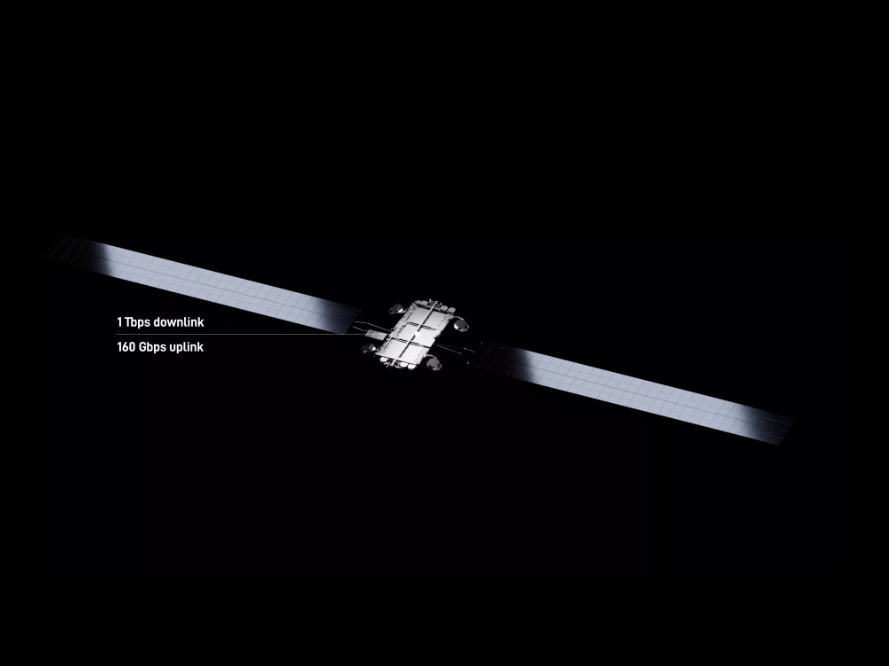

SpaceX deployed its Starlink V3 satellites into orbit and established contact, marking a key internet network milestone.
The new satellites increase capacity, while Starship makes deploying large satellite groups far more efficient than multiple smaller launches.
One Starship mission carries roughly 60 V3 satellites, offering network capacity comparable to about 20 Falcon 9 launches.
If operational, SpaceX could expand its constellation faster and deliver high-capacity global internet connectivity more effectively.
What Are Starlink V3 Satellites?
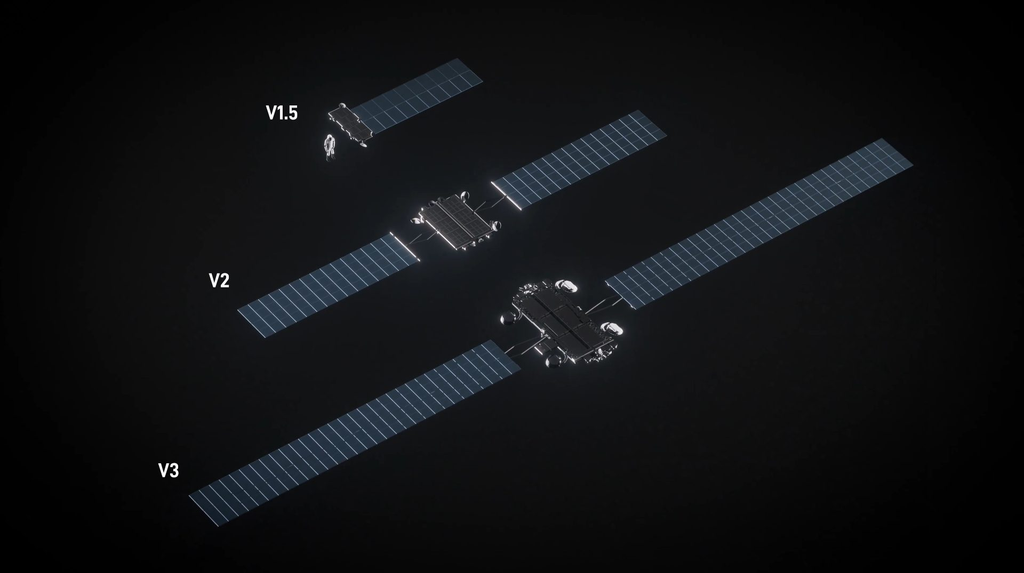
Starlink V3 represents SpaceX’s next-generation spacecraft designed to deliver satellite internet to hard-to-reach locations worldwide.
Unlike cables or cellular towers, satellite internet easily reaches remote, rural, maritime, and underserved communities without ground infrastructure.
These next-generation satellites dramatically increase network data capacity to support growing user demand globally.
Actual user performance will still depend on satellite deployment, ground infrastructure, spectrum availability, and total network efficiency.
How Does Starship Change Satellite Deployment?
The key highlight is linking Starlink V3 directly with Starship, SpaceX’s next-generation heavy-lift launch vehicle.
Starship carries about 60 V3 satellites per mission, matching the network capacity of roughly 20 Falcon 9 launches.
Combining larger satellite payloads with a massive launch vehicle allows SpaceX to deploy vast network capacity in fewer missions.
Fewer launches simplify operational planning and accelerate constellation expansion, though launch costs and mission dynamics differ.
Starship must still prove consistent, reliable launch operations before realizing its full large-scale deployment potential.
Why Does Starlink V3 Matter?
Global digital demand is surging, yet remote regions still lack the extensive telecommunications infrastructure needed for reliable internet.
Higher network capacity helps bridge this gap, supporting remote businesses, schools, emergency response, and isolated communities effectively.
For SpaceX, V3 strengthens its market position by accommodating more subscribers and demanding digital applications seamlessly.
This advancement may push traditional telecommunications providers toward hybrid terrestrial-satellite partnerships to expand global service coverage.
However, satellite internet cannot fully replace fiber networks due to latency, weather interference, and capacity constraints.
What Happens Next for SpaceX?
SpaceX must now prove these newly deployed satellites operate correctly and integrate smoothly into the wider Starlink constellation.
Initial contact confirms communication exists, but complete operational checks and customer service deployment take additional time.
Future success relies on satellite commissioning, network integration, and building a dependable, high-frequency Starship launch cadence.
Ongoing satellite performance, launch frequency, and capacity gains will reveal Starlink V3’s true global connectivity impact.
The Bigger Picture for Space Technology
Deploying Starlink V3 shows how combining heavy-lift launch vehicles with advanced satellites transforms space-based communication systems.
Pairing high-capacity rockets with next-generation satellites makes mega-constellation deployment practically achievable for future global infrastructure.
While operational milestones remain, Starlink V3 marks a significant step forward in evolving satellite internet technology.