

Wildfires present devastating threats to communities, natural habitats, and emergency response personnel across the globe.
Leveraging advanced artificial intelligence offers new hope for predicting and managing destructive blazes effectively.
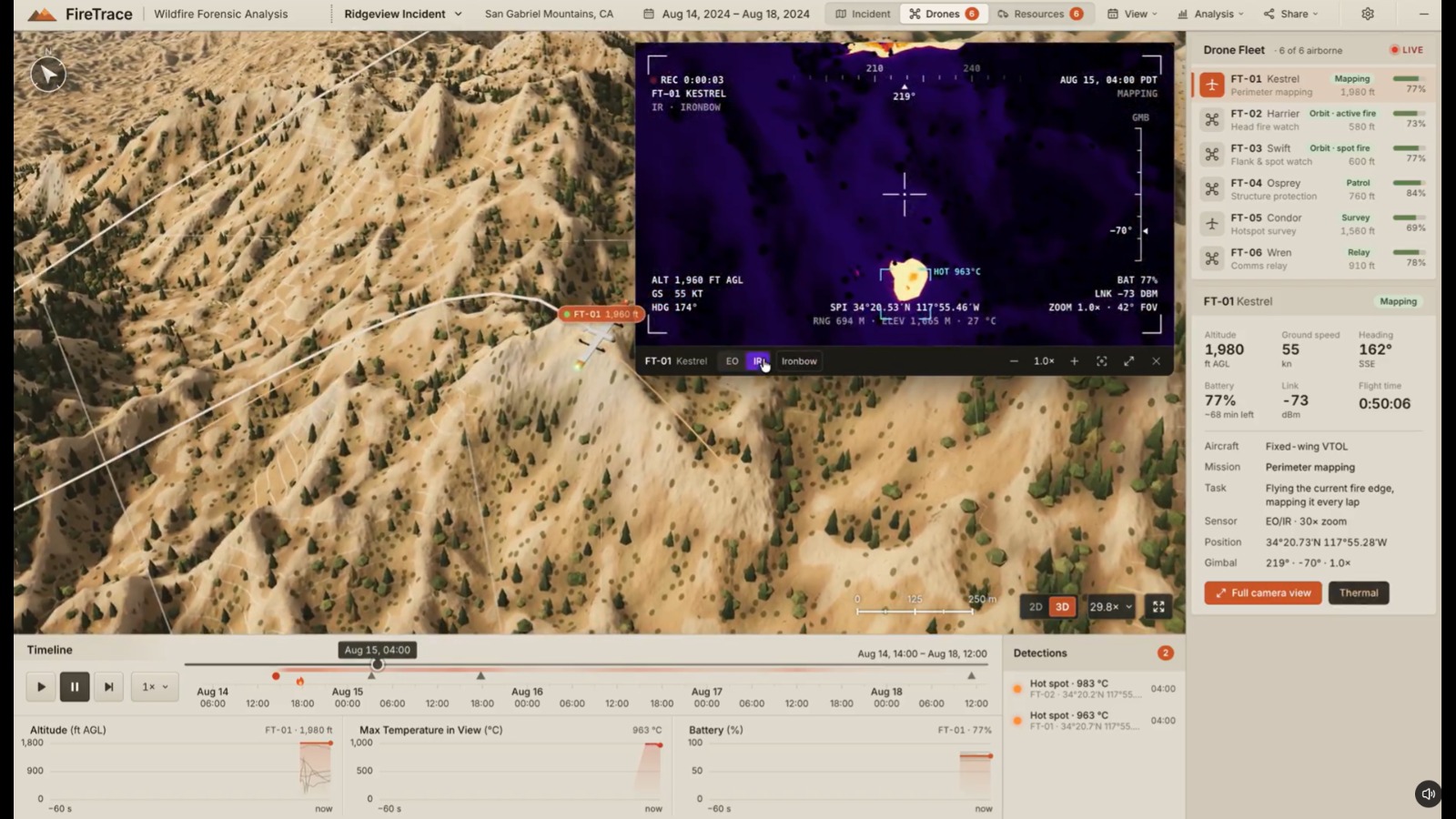
A newly developed wildfire tracking tool provides critical real-time insights for emergency teams on the ground.
Harnessing Claude Opus 5.5 for Real-Time Analysis
The innovative tracking platform was engineered using the powerful capabilities of Claude Opus 5.5.
This next-generation model processes complex environmental data streams with exceptional speed and technical precision.
Developers utilized the AI system to build robust algorithms capable of predicting rapid fire spread dynamics.
Visualizing Fire Spread Across Complex Terrains
Understanding how infernos move across rugged landscapes is essential for protecting vulnerable towns and forests.
The AI-powered tool dynamically visualizes how active fires progress over minutes and hours.
Emergency coordinators can view predictive heatmaps that outline exact flame trajectories and potential danger zones.
Integrating Drone Technology for Hotspot Tracking
Real-time aerial data collection serves as the backbone of modern disaster response and containment strategies.
The platform integrates seamlessly with autonomous drones to track hidden hotspots through heavy smoke.
Live aerial feeds feed directly into the AI system for instant thermal mapping and analysis.
Monitoring Multi-Agency Firefighting Deployment Efforts
Coordinating multiple emergency response units during massive wildfires requires centralized operational tracking.
This tool monitors active firefighting efforts, resource allocation, and evacuation routes in one place.
Commanders gain a holistic view of ongoing operations, improving tactical decision-making under intense pressure.
Enhancing Safety for Frontline Emergency Responders
Protecting the lives of brave firefighters remains the top priority during aggressive wildfire suppression missions.
Accurate predictive modeling helps teams avoid sudden wind shifts and dangerous entrapment scenarios.
Giving responders advanced situational awareness significantly reduces risks in extreme environmental conditions.

The Role of Generative Models in Disaster Relief
Artificial intelligence is rapidly expanding beyond simple text generation into critical life-saving applications.
Specialized models process multi-variable sensor inputs to simulate complex physical phenomena accurately.
Such innovations demonstrate the profound positive societal impact of deploying modern AI engineering solutions.
Scaling Emergency Response Infrastructure Globally
Deploying scalable digital tools helps under-resourced communities prepare for increasingly severe wildfire seasons.
Cloud-based AI architectures allow local emergency services to access high-end predictive analytics instantly.
Standardizing these technological resources strengthens global resilience against climate-driven natural disasters.
Bridging Software Engineering and Environmental Protection
Engineers and environmental scientists are collaborating closely to build practical climate defense technologies.
Claude Opus 5.5 enables rapid prototyping of specialized software designed specifically for crisis management.
This synergy accelerates the development of tools that address urgent global challenges.
Transforming the Future of Emergency Management
Advanced AI tracking systems represent a permanent shift in how humanity fights destructive natural disasters.
Empowering firefighters with predictive intelligence saves precious time, property, and human lives.
Follow @aicuratehub for more updates on artificial intelligence tools and emergency response technologies.
Visit aicuratehub.com today to explore cutting-edge innovations shaping our collective future.